
Dedicated to the men and women who spent endless hours working on missing children's cases, for nothing more than the common good.
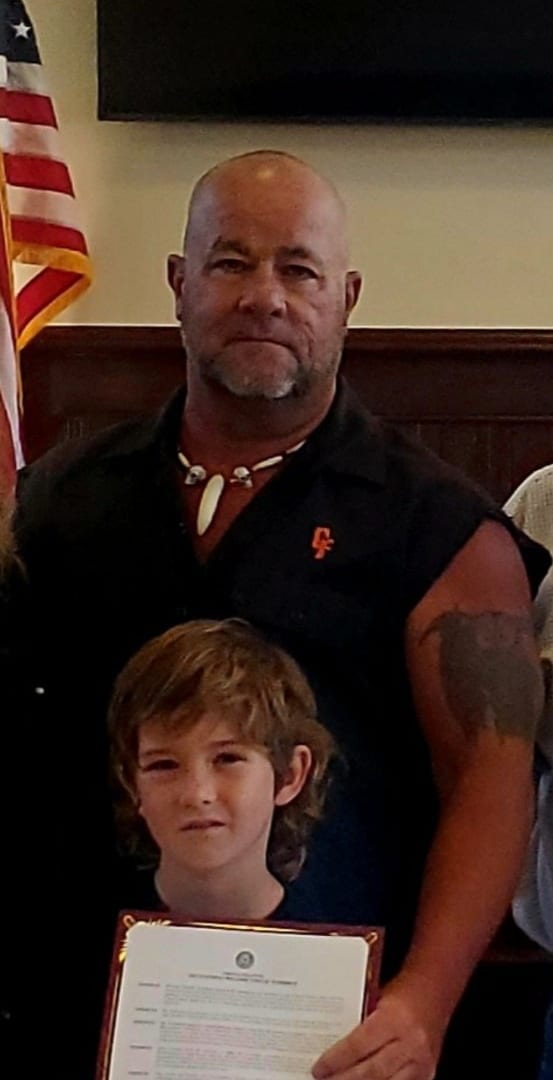
The Biker PI
Chuck Foreman
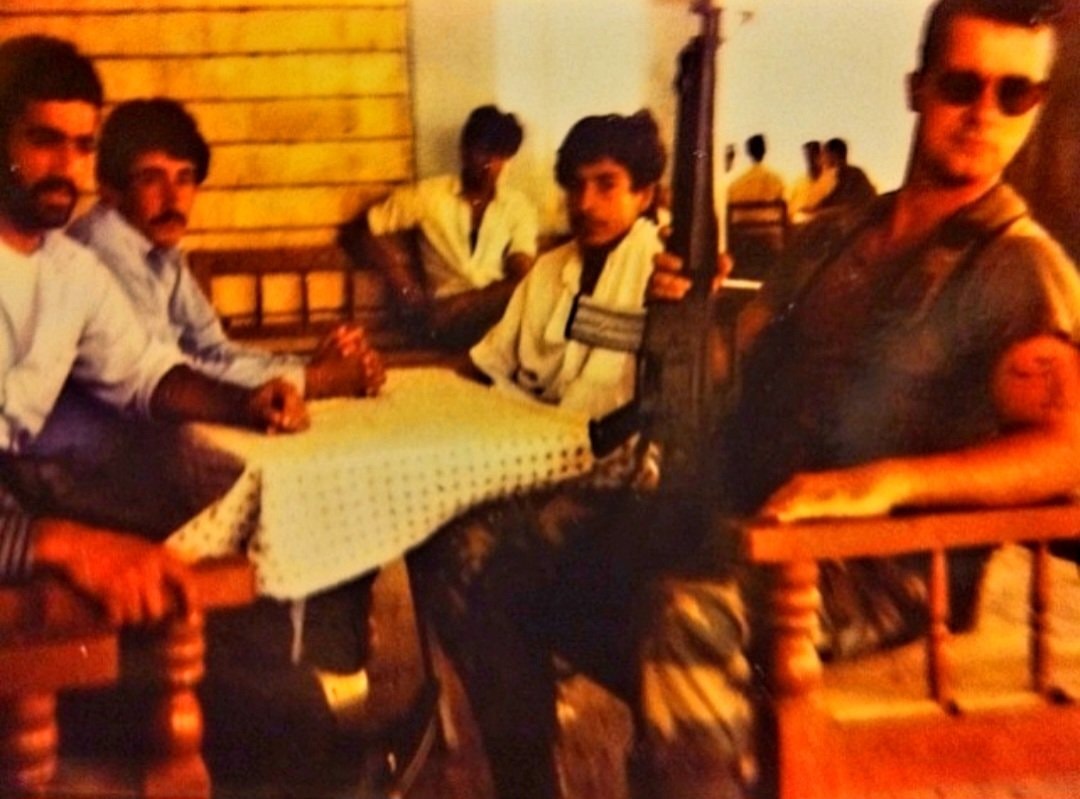
Gulf War veteran. Private investigator. Founder of the Center for Search & Investigations. Author. The man who rides for those who can't speak for themselves.
children found safe
For 15 years, Team CFSI helped families find missing children — powered entirely by community volunteers, with no monetary donations and no members on payroll.

About Chuck
The Man Behind the Mission
Chuck Foreman is a U.S. Army Gulf War veteran, licensed private investigator, and the founder of the Center for Search & Investigations (CFSI). Over 15 years, he developed a proven search method that helped locate more than 2,000 missing children worldwide — all through community volunteers, with no monetary donations and no members on payroll.
The Memoir
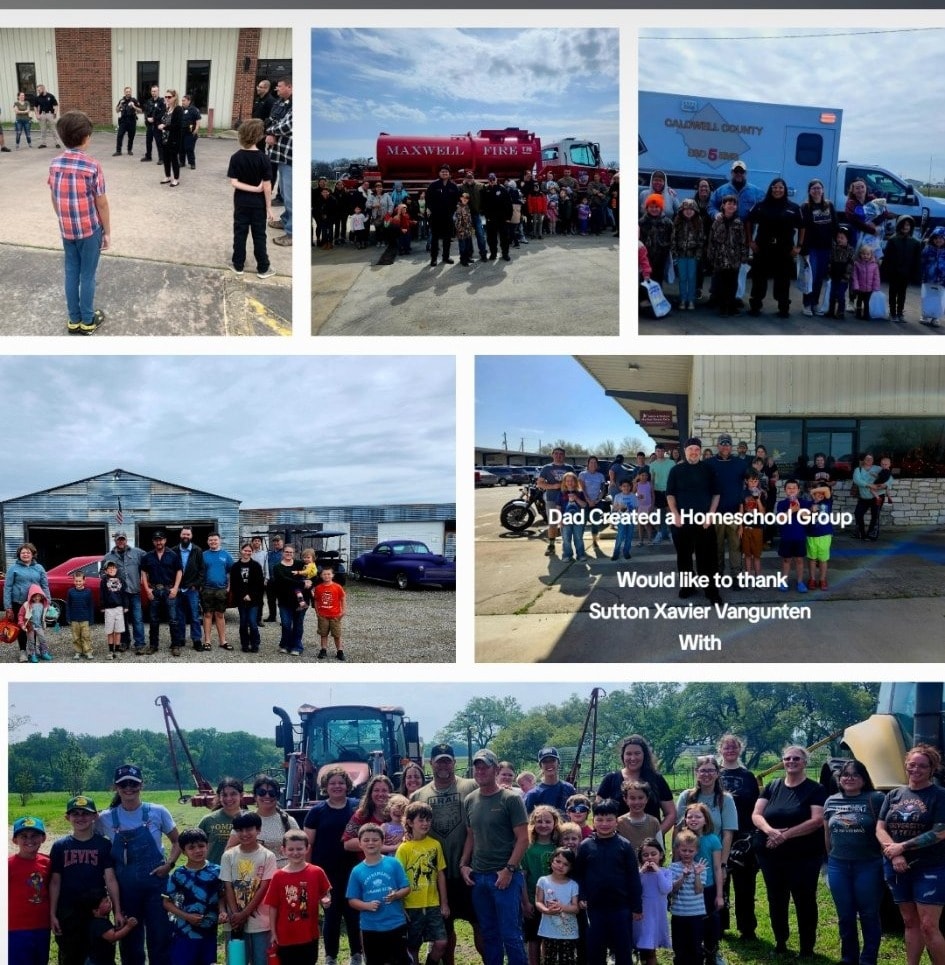
It's Not About Me
The Life of a Biker PI
A raw, unfiltered account of Chuck Foreman's journey from Gulf War soldier to motorcycle-riding private investigator — and the cases, heartbreaks, and triumphs that defined a mission to bring missing children home.
For Young Readers
The Pip Book Series
Chuck's children's book series follows Pip and friends through stories of change, friendship, and finding peace — written for kids, but with lessons for everyone.

Pip's Big Change
Chuck Foreman
Pip the caterpillar faces a big change — and learns that transformation, though scary, can lead to something beautiful.
Learn More
Bling Bling's New Friend
Chuck Foreman
Bling Bling discovers that making new friends takes courage — and that kindness is always the right move.
Learn More
Pip's Peaceful Wings
Chuck Foreman
Pip spreads his wings and finds peace in the world around him — a gentle story about calm, nature, and belonging.
Learn MoreBling Bling's New Friend — Promo Videos
About the Pip books
The Pip books started as bedtime stories.
During my divorce, when the outcome was still unknown, I'd lie in bed with my son Charlie and tell him he was a caterpillar — and that one day, when all of this was over, he'd be a butterfly. I wrote Pip's Big Change so he could read that story himself whenever he was away from me.
Pip's Peaceful Wings comes from where he is now: the divorce behind us, two homes, and calm. Both books were written to help children walking through divorce with their parents — because no kid should feel alone in it. Charlie learned to read on these books.
— Chuck Foreman

Book Chuck
Bring Chuck to Your Event
Chuck is not a professional speaker, and speaking is not the focus of this site. When he is asked to speak, he does it free of charge — to share what the work taught him and to help where he can. For speaking requests, use the contact information on this site.
chuck@thebikerpi.comSpeaking & Media
A Story Worth Hearing
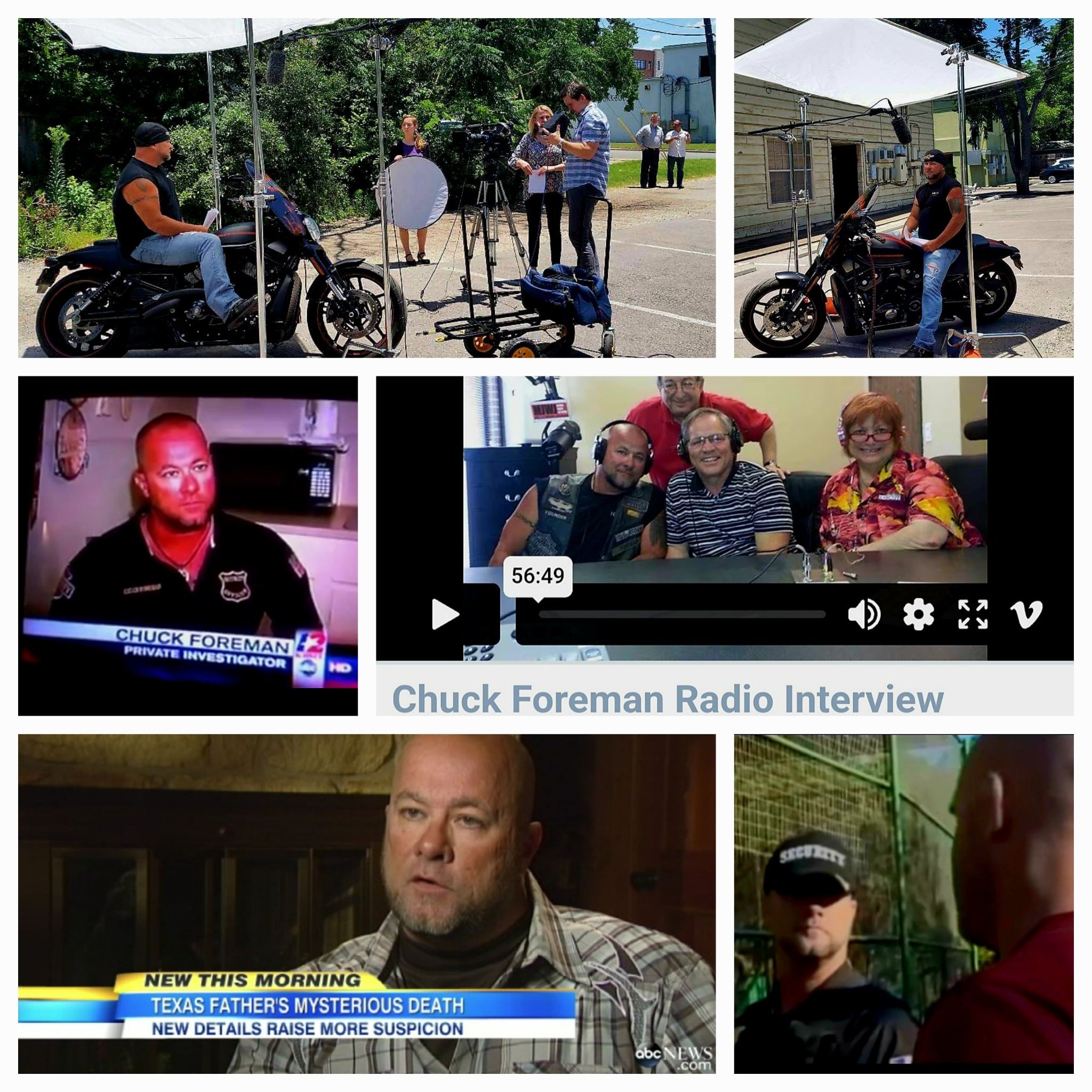
From school assemblies to law enforcement conferences, Chuck brings a message of community action, resilience, and hope. His story has been featured in media across the country.
The Nonprofit
The Center for Search & Investigations (Team CFSI)
Community members and families, empowered to achieve "Found Safe"
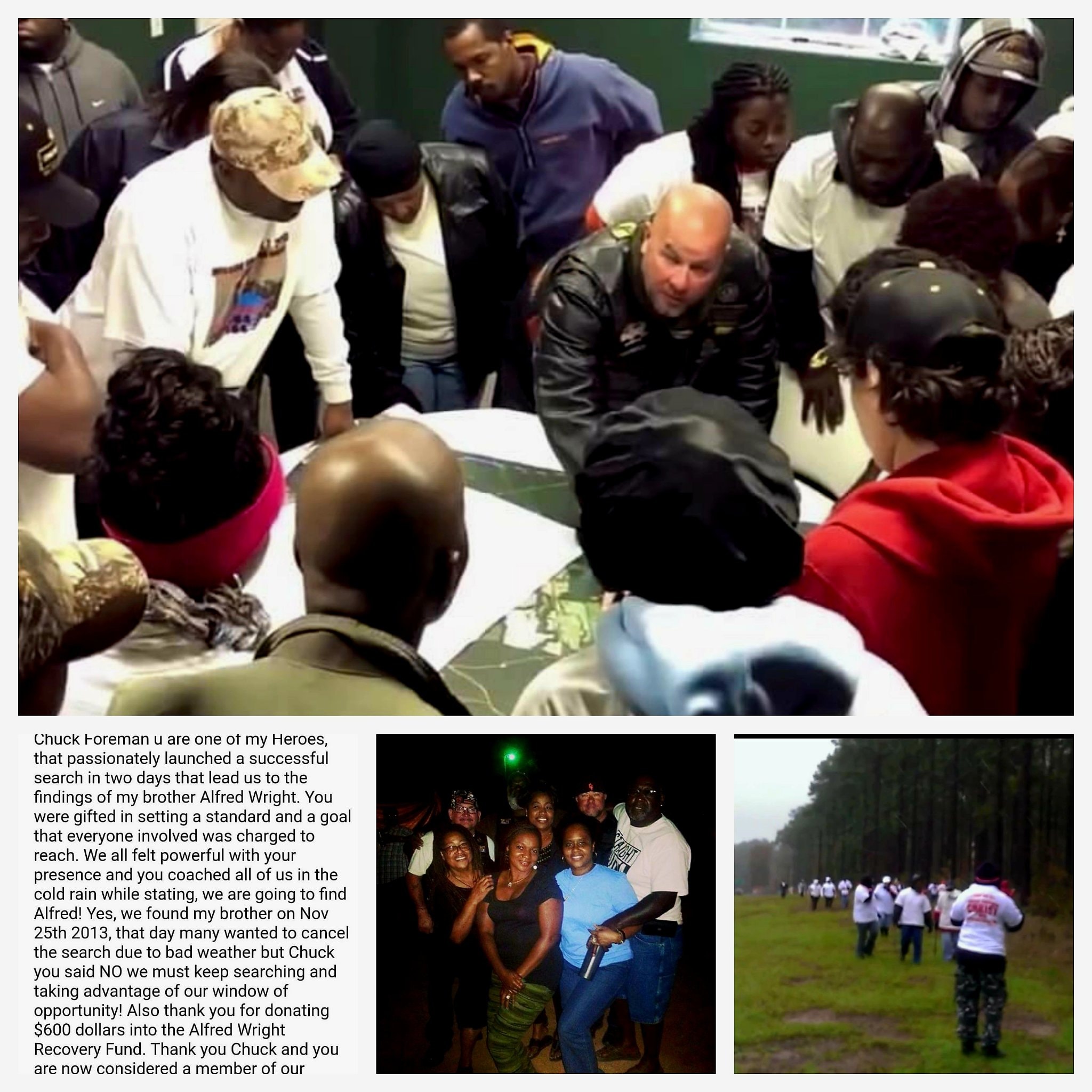
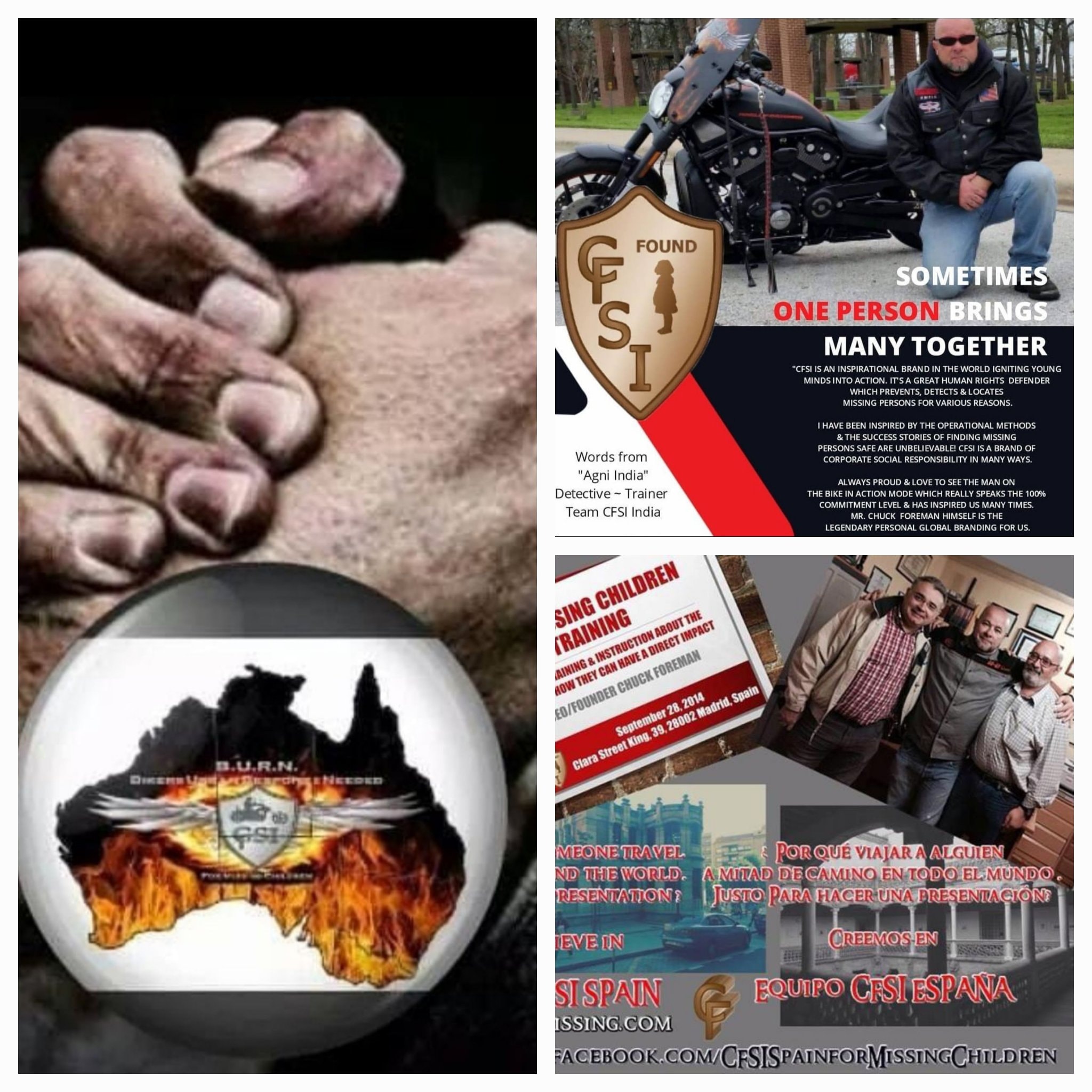
For 15 years, from 2009 - 2024, The Center for Search & Investigations (Team CFSI) assisted families and communities by facilitating the search and location of missing children worldwide in order to safeguard children from abduction, child trafficking & exploitation. Often recommended by law enforcement and other officials, they were the boots on the ground help needed when a child went missing. Made up of volunteers from all walks of life, they showed that there was always a way for everyone to help.
After having assisted more than 2,000 families, CFSI has retired their services. Founder Chuck Foreman always said, "It's gonna take an army." That army is made up of community members that care, and this page remains to continue empowering citizens to use the search method originally developed by Mr. Foreman. If not you, then who?
The Story
On December 20, 2009, Sharon Bunk asked Chuck Foreman for help — her daughter had been missing for seven months from Leakey, Texas. It became the first official case of the Center for Search & Investigations. The child was found safe. A few years later, working the Sharon West case in East Texas, Chuck learned that not all cases have a happy ending — Sharon was Found an Angel. Under a tree near where she was located, next to his motorcycle, Chuck wrote the program others could use. That same base program was used for fifteen years on every CFSI case. With volunteers spanning the globe and more than 2,000 children Found Safe — all with no monetary donations and no members on payroll, all with the help of community members just like you. Motto: "If not us, who? If not now, when?"
From Hostage Negotiation to CFSI: The ALS Training Program
When a child goes missing, the first conversations are with people in the worst moments of their lives — parents who are terrified, panicked, and sometimes barely able to think straight. How you talk to someone in that state decides whether you get the information that finds their child. Chuck Foreman learned that discipline the same place law enforcement learns it: hostage negotiation training.
Chuck completed both basic and advanced hostage negotiation training through law enforcement. At the core of both levels was ALS — Active Listening Skills — the structured listening method negotiators use to calm a person in crisis, build trust, and keep them talking. ALS teaches the listener to paraphrase what the speaker has said back to them, to name the emotion underneath the words, and to suspend judgment and listen for meaning instead of waiting for a turn to talk. Its three primary elements are comprehending, retaining, and responding — and its purpose is practical: people who feel heard open up, misunderstandings drop away, and trust gets built where there was none.
When Chuck built the Center for Search & Investigations (CFSI), he carried that training straight into the organization's own program. He combined Active Listening Skills with crisis management into a single training package and made it part of CFSI's training process for the people who would speak with families. The crisis management side covered what a crisis does to a person — the cognitive, physical, and emotional responses to trauma — and the principles of intervention: act quickly, stabilize the situation, help the person understand what has happened, and work with them toward solving the problem in front of them so they can function again.
This was not optional reading. CFSI published the ALS/Crisis Intervention and Management material in its online Training Center, and the training was also taught in person at CFSI's annual training events. Coordinators were tested on it. As the program stated: "Your knowledge in this section is key for what is required as a CFSI State Coordinator. An overall passing grade is required for certification by CFSI." Volunteers who would sit across from a family in crisis had to demonstrate they knew how to listen to one first.
The same discipline ran through CFSI's investigation work, and it shaped who Chuck would and would not bring into it. Experience taught him not to hire prior law enforcement into investigation work: too often, they formed an opinion in the first hours of a case, and from that point their egos took over — every fact after that became an effort to prove the early opinion right. CFSI trained the opposite habit. Investigators were taught to treat a case like an oil painting: every piece of information gained is a brush stroke laid on the canvas. You do not decide what the picture is at the start. You lay the strokes down, one by one, and you let the picture form on its own.
The point of the package was empathy with a method behind it. A missing-child case runs on information — from parents, relatives, witnesses — and frightened people do not give good information to someone who talks over them. ALS gave CFSI's people a negotiator's tools for the most human part of the work: hearing a family clearly enough to actually help them.
A Child Is Missing — What Should I Do?
Family Search Checklist
We never use the term runaway when speaking of the missing child. The child is missing and potentially in danger. Use of the word runaway encourages a mindset that the situation is not urgent and allows the public and others to not make it a priority.
Step 1
Postering in a one-mile spiral out from the child's last known location. Complete immediately. You will need printed copies of the poster and packing tape. When hanging posters at businesses and other locations, tape all four sides securely. The objective is to build an "Army of Eyes" on the streets. Get the poster in the hands of those who see what goes on: security guards (malls etc.), patrol officers, tow truck drivers, bus and public transit drivers, hotel housekeepers. Create a group communication thread and note any information gained.
Step 2
Social media blast of the poster. Complete immediately. Search all social media accounts the child has. Review posts the child made since going missing and share them to the group communication thread. Post/share the poster with the child's "friends" on those accounts. Share the poster to Facebook pages of businesses, media outlets, etc.
Step 3
Plan a neighborhood canvas. Choose a public meet-up location, date and time. Make churches, motorcycle groups, Elks, Shriners, etc. aware and invite them to participate. You will need printed posters, packing tape and rubber bands. Cover an area continuing outward from the area covered on day one.
Step 4
Press release prepared and submitted. Day seven or after.
The Center for Search & Investigations (CFSI) provides this page as a community resource only. CFSI does not give legal advice and holds no liability for actions of those that may access this page. CFSI encourages community members to support and work with law enforcement in their search efforts.


A Birthday to Remember
In 2017, Chuck Foreman helped found a small Texas nonprofit with a simple idea: no kid should watch their birthday go by unnoticed.
The organization was called A Birthday to Remember. Its work focused on children living in residential care — places like Legacy Ranch in Gonzales County, the county right next door to Caldwell. In a home full of kids, birthdays can slip past without a cake, without a party, without anybody making the day theirs. A Birthday to Remember changed that, one child at a time.
Volunteers brought the whole party — cake, decorations, and people who showed up just for that kid — and held several birthday parties at Legacy Ranch, always free of charge to the children, the home, and everyone involved.
The idea traveled. Chuck's friend Delbert Blalock in Oklahoma took the model and ran with it, starting a branch called Birthday to Remember Oklahoma, holding parties for children at a kids ranch up there. Delbert has since passed away — his name belongs on this, the way he would have wanted.
A Birthday to Remember is no longer active, and its parties are over. But for the kids who got one, it did exactly what its name promised: it gave them a birthday to remember.